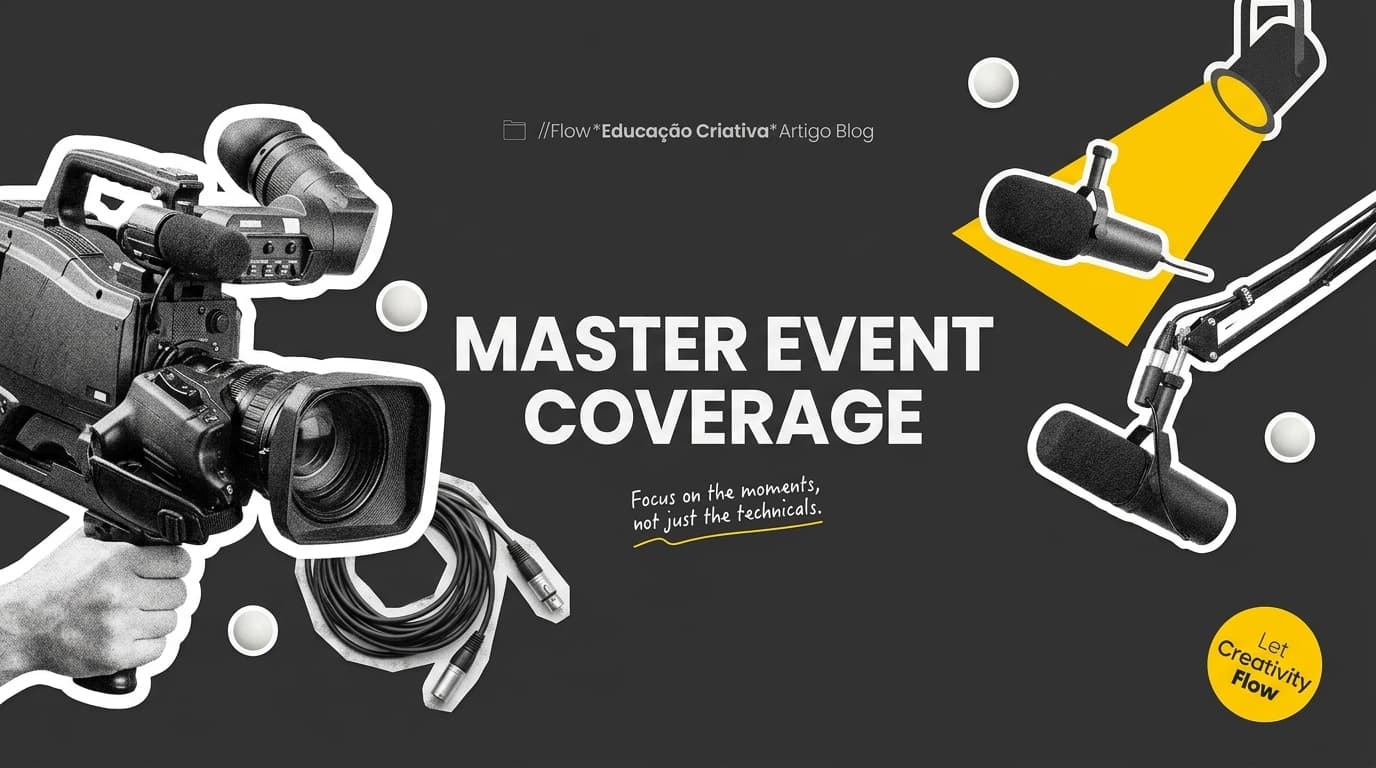
According to EventMB (2026), 78% of event organisers report that high-quality, real-time digital content increases post-event engagement by over 40%. Event coverage strategy is the deliberate planning and execution of capturing, editing, and distributing audiovisual content during live or hybrid experiences to extend the lifecycle of your brand’s most important moments.
What is an effective event coverage strategy?
An effective event coverage strategy is a roadmap that aligns your production goals with your broader business objectives. It ensures that every shot, interview, and highlight reel serves a purpose beyond the event itself, acting as a catalyst for ongoing brand storytelling and audience connection.
Why planning matters
Without a clear plan, you risk capturing hours of footage that lacks a cohesive narrative. By defining your brand storytelling and strategic narrative before the doors open, you ensure that every piece of content resonates with your target audience and reinforces your core message.
Strategic planning turns fleeting moments into evergreen assets.
How does professional coverage drive ROI?
Professional coverage drives ROI by transforming one-time experiences into reusable marketing collateral. According to HubSpot (2025), companies that repurpose event content across social channels see a 25% increase in lead generation compared to those that rely solely on live attendance.
The power of visual assets
When you invest in professional event coverage, you aren't just documenting a day; you are building a library of high-impact visuals. These assets can be used in future campaigns, sales presentations, and internal communications, providing long-term value for your marketing budget.
- Highlight reels: Perfect for social media engagement.
- Expert interviews: Establish authority and thought leadership.
- Behind-the-scenes footage: Humanises your brand and builds trust.
High-quality production is the difference between a forgotten event and a lasting brand legacy.
How to align coverage with your brand identity?
Aligning your coverage with your branding and visual identity services ensures consistency across every touchpoint. In 2026, audiences expect a seamless experience, whether they are watching a live stream or a post-event summary on their mobile devices.
Maintaining visual consistency
Your event content should feel like an extension of your website and social media presence. By using consistent colour palettes, typography, and tone of voice, you reinforce brand recognition and make your content instantly identifiable to your community.
- Define your aesthetic guidelines early.
- Ensure your production team understands your brand values.
- Use consistent editing styles across all video formats.
Frequently asked questions
What should be included in an event coverage strategy?
A comprehensive strategy includes clear objectives, a defined target audience, a list of key moments to capture, and a plan for post-event distribution. It should outline the types of content needed—such as interviews, B-roll, and highlight reels—to ensure you have the right assets for your marketing goals.
How can I repurpose event content for social media?
Repurpose event content by cutting long-form sessions into short, punchy clips for platforms like LinkedIn or Instagram. Use high-quality stills for carousel posts and create short-form videos that highlight key takeaways. This approach keeps your brand visible long after the event has concluded, maximising your initial production investment.
Why is real-time content important for events?
Real-time content creates a sense of urgency and excitement, allowing remote audiences to feel part of the experience. According to Sprout Social (2026), live-streamed updates and real-time social posts generate 3x more engagement than static updates, helping to build momentum and drive interest throughout the event duration.
How do I choose the right production partner?
Choose a partner who understands your brand voice and has experience in storytelling, not just technical recording. Look for a team that can handle both the creative vision and the logistics, ensuring the final output aligns with your strategic goals while capturing the authentic energy of your event.
What are the common mistakes in event coverage?
The most common mistake is failing to plan for post-event distribution. Many brands focus entirely on the live day and neglect the editing process. Without a clear plan for how the content will be used, you lose the opportunity to turn your event into a long-term marketing asset.
Elevate your next event
Mastering your event coverage strategy is about more than just hitting record; it is about crafting a narrative that lives on long after the event ends. By investing in professional production and a clear distribution plan, you can ensure your brand stays top-of-mind.
Ready to turn your next event into a powerful marketing engine? Our team at Flow Productions is here to help you capture the moments that matter. Contact us today to discuss your vision and start building your strategy.