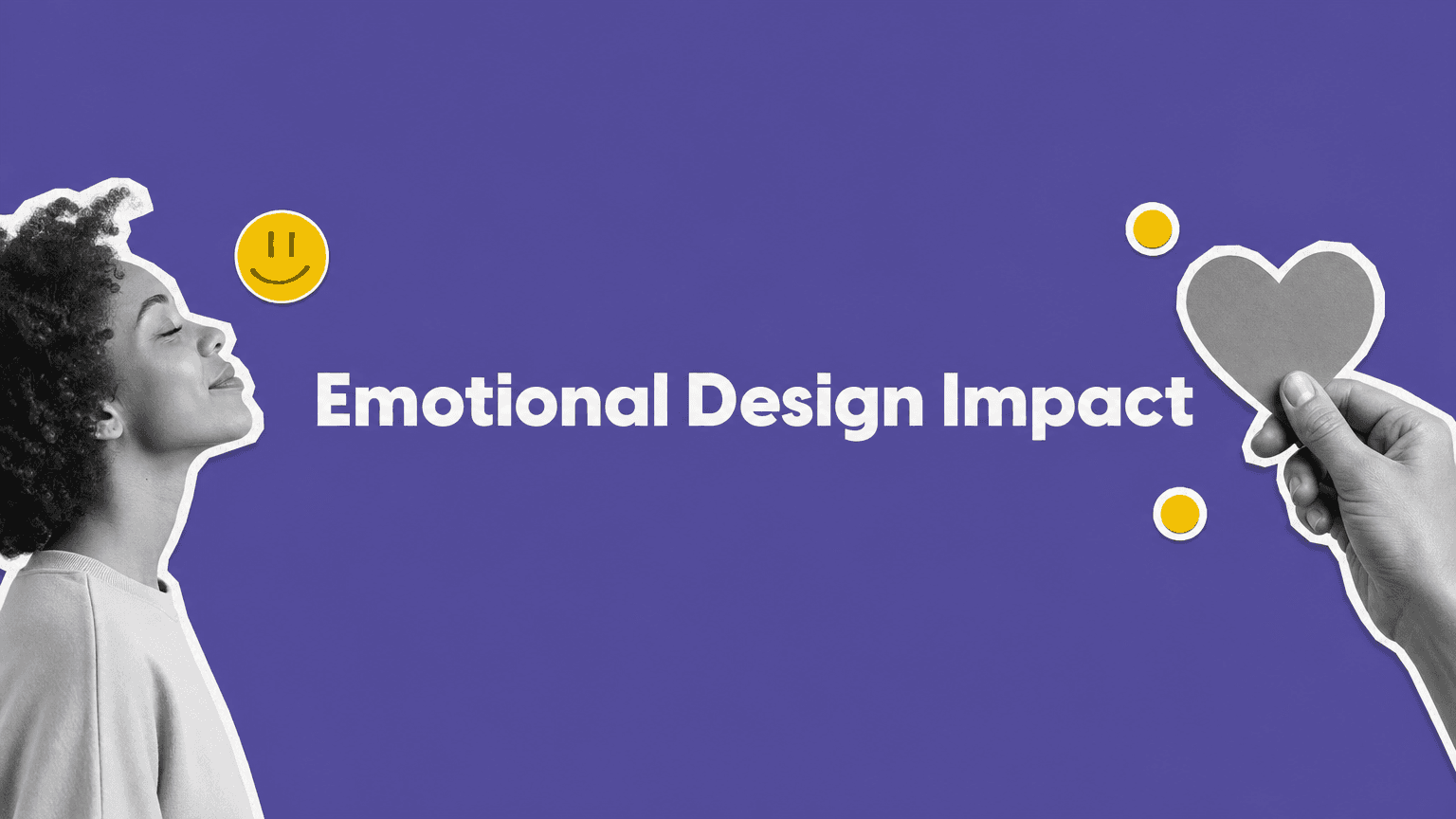
Emotional design is becoming a game-changer in marketing. According to Forrester (2025), brands that integrate emotional design see a 30% increase in customer loyalty and repeat purchases. Emotional design is the practice of creating products and experiences that evoke feelings, forging deeper connections with customers.
What is emotional design and why does it matter?
Emotional design is about crafting experiences that resonate on a human level, beyond just functionality. It taps into feelings like trust, joy, and nostalgia to build meaningful relationships.
The three levels of emotional design
- Visceral: The initial impact, like colors and shapes that evoke feelings
- Behavioral: How easy and satisfying a product or service feels to use
- Reflective: The meaning and memories a brand experience creates
Brands that master these levels create loyal customers who feel personally connected.
Emotional design transforms customers into advocates.
How does emotional design boost brand loyalty?
Emotional design increases loyalty by making customers feel understood and valued. When people connect emotionally, they’re more likely to return and recommend.
Key ways emotional design drives loyalty
- Builds trust through consistent, authentic experiences
- Creates memorable moments that stand out from competitors
- Encourages positive associations with the brand
- Fosters a sense of belonging and community
According to Adobe (2024), 65% of consumers say a brand’s emotional connection influences their buying decisions more than price or product.
Loyalty isn’t just about satisfaction — it’s about emotional bonds.
What are practical strategies to implement emotional design?
Implementing emotional design requires understanding your audience’s feelings and values. Here are some actionable steps:
Steps to apply emotional design
- Use storytelling to create relatable brand narratives
- Design with empathy, considering user frustrations and desires
- Incorporate sensory elements like color, sound, and texture
- Personalize experiences to reflect individual customer identities
Brands like Apple, Nike, and Airbnb excel by combining these strategies to evoke strong emotions.
Emotional design is a strategic investment, not just aesthetics.
Frequently asked questions
What is the difference between emotional design and user experience (UX)?
Emotional design focuses on feelings and connections, while UX centers on usability and functionality. Both overlap, but emotional design adds a layer of human connection to the experience.
How can small businesses use emotional design effectively?
Small businesses can start by telling authentic stories, engaging customers on social media, and creating personalized experiences that reflect their brand values.
Can emotional design increase sales immediately?
While emotional design builds long-term loyalty, it can also boost sales by creating memorable impressions that encourage repeat purchases and referrals.
What role does color play in emotional design?
Colors evoke specific emotions; for example, purple (Flow Productions’ primary color) suggests creativity and trust, while yellow adds warmth and optimism.
Is emotional design relevant for B2B brands?
Absolutely. Emotional connections matter in B2B too, influencing trust and long-term partnerships beyond just transactional relationships.
Take action: build loyalty with emotional design today
Emotional design isn’t a trend; it’s a fundamental shift in how brands connect with people. By prioritizing feelings and meaningful experiences, you can boost loyalty by 30% or more, as Forrester (2025) confirms.
Start by evaluating your brand’s current emotional impact and explore how storytelling, empathy, and sensory design can deepen connections. For expert guidance on crafting compelling brand narratives and emotional experiences, check out our brand storytelling & strategic narrative services.
To ensure your website and digital presence reflect emotional design principles, consider partnering with Flow Productions for web design & UX/UI agency services that prioritize user feelings and engagement.
Finally, connect with our creative experts like Ricardo Pedro | Flow Productions to tailor emotional design strategies that resonate with your unique audience. Emotional design is your pathway to loyal customers and lasting brand success.