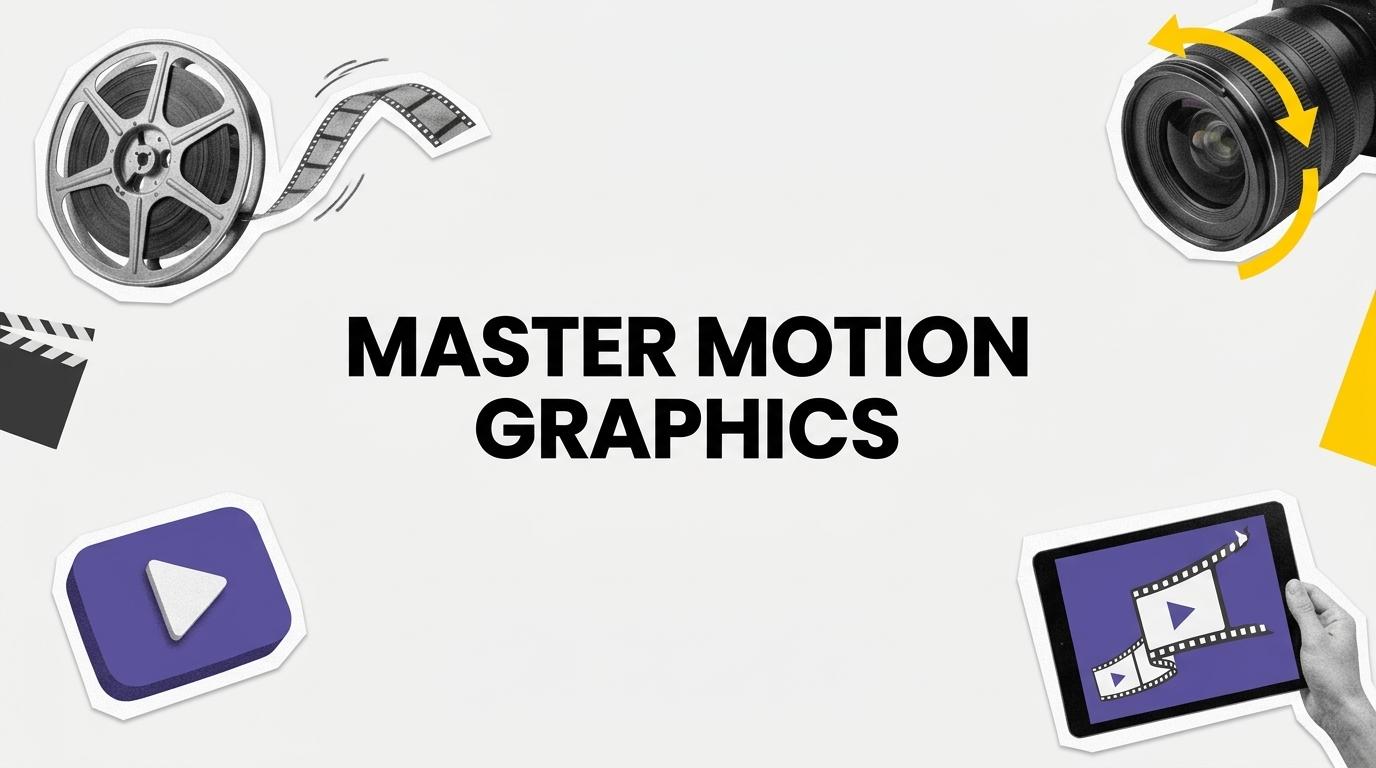
In a digital landscape saturated with static content, the ability to command attention in milliseconds is the ultimate competitive advantage. According to HubSpot (2026), brands that integrate motion graphics into their social media strategy see a 45% increase in audience retention compared to static imagery. Motion graphics for brand engagement is the strategic use of animated design elements to communicate complex brand narratives, simplify information, and create an emotional connection with your audience.
Why is motion graphics essential for modern brands?
Motion graphics serve as the bridge between static design and high-end video production, offering a versatile way to explain products or concepts without the need for live-action filming. By using motion graphics to animate your brand identity, you transform passive viewers into active participants who are more likely to remember your message.
The power of visual rhythm
- Increased dwell time: Animated elements naturally draw the eye and keep users scrolling through your content.
- Simplified complexity: Motion allows you to break down technical features into digestible, bite-sized visual steps.
- Brand consistency: Consistent motion patterns across your digital touchpoints reinforce brand recognition and authority.
Motion is not just decoration; it is a functional tool for clarity. When your audience understands your value proposition faster, your conversion rates naturally follow.
How does motion graphics influence user behaviour?
Motion graphics influence user behaviour by leveraging psychological triggers that respond to movement, colour, and pacing. According to a 2025 report by LinkedIn, video-based content—including motion-heavy animations—generates 3x more engagement than text-only posts on B2B platforms. This shift toward dynamic visuals is a direct response to the human brain’s preference for processing moving images over static blocks of text.
Designing for impact
To effectively use motion graphics, you must align your visual style with your brand strategy and positioning. Whether you are creating a short social clip or an explainer video, the movement should feel intentional and reflective of your brand's personality. If your brand is playful, use bouncy, fluid transitions; if it is professional, opt for clean, precise, and rhythmic movements.
Great motion design makes the complex feel simple. When you remove the friction of reading long descriptions, you open the door for deeper engagement.
The role of storytelling
Beyond aesthetics, motion graphics are a powerful vehicle for brand storytelling and strategic narrative. By animating your brand story, you can guide the viewer’s eye exactly where you want it, highlighting key benefits or emotional hooks. This controlled experience ensures that your core message is delivered consistently, regardless of where the user encounters your brand.
Frequently asked questions
What are the primary benefits of using motion graphics for brand engagement?
Motion graphics significantly increase audience retention by capturing attention faster than static images. They simplify complex information, making it easier for users to understand your value proposition. By integrating motion, you create a more dynamic and memorable brand presence that stands out in crowded social media feeds.
How do motion graphics differ from traditional video production?
Motion graphics focus on animating graphic elements, typography, and illustrations rather than filming live-action footage. This makes them a cost-effective and highly flexible solution for explaining abstract concepts, software features, or data-driven insights without the logistical challenges of a traditional video shoot or set production.
Can motion graphics help with B2B marketing strategies?
Absolutely. In B2B marketing, motion graphics are excellent for simplifying technical products or services. By visualising data or processes, you reduce the cognitive load on potential buyers, helping them grasp your solution quickly. This clarity often leads to shorter sales cycles and higher engagement across professional digital platforms.
What is the best way to maintain brand consistency in motion design?
To maintain consistency, develop a motion language guide that defines your brand's movement style, such as easing, speed, and colour usage. Ensure that your animations align with your visual identity, using consistent fonts and palettes. This creates a cohesive look that reinforces brand recognition across all your marketing channels.
How do I measure the success of my motion graphics content?
Measure success by tracking metrics like video completion rates, click-through rates, and average watch time. Compare these against your static content performance to identify the uplift in engagement. Use these insights to refine your animation style and storytelling approach, ensuring your content continues to resonate with your target audience.
Elevate your visual communication
Mastering motion graphics is no longer an optional luxury but a necessity for brands aiming to remain relevant in a fast-paced digital environment. By focusing on clear, purposeful animation that aligns with your broader brand goals, you can capture attention and build lasting relationships with your audience.
If you are ready to bring your brand to life, our team at Flow Productions is here to help you craft dynamic visuals that drive results. Reach out to us today to discuss how we can integrate motion graphics into your next campaign and help you stand out in the market.