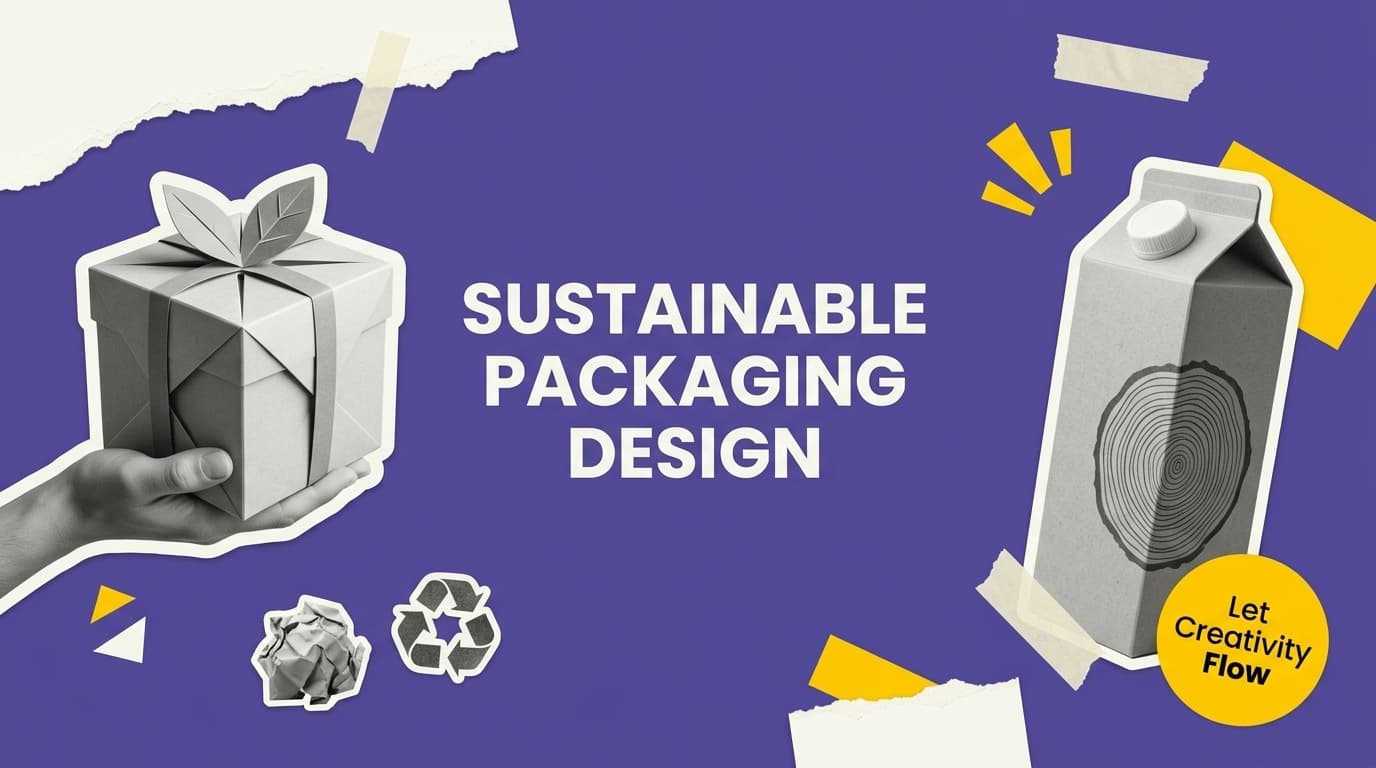
In a world where environmental impact is no longer an afterthought, sustainable packaging design has become a critical pillar of modern brand strategy. According to McKinsey (2024), 60% of consumers are willing to pay more for products with sustainable packaging, making eco-conscious design a primary driver for brand loyalty. By rethinking how we protect and present products, businesses can align their values with the expectations of a conscious global market.
What is sustainable packaging design?
Sustainable packaging design is the practice of creating product containers that minimise environmental impact through the use of renewable, recycled, or compostable materials. It focuses on the entire lifecycle of the package, from raw material extraction and manufacturing to end-of-life disposal, ensuring that every design choice reduces waste and carbon footprints.
- Material selection: Prioritising biodegradable or post-consumer recycled (PCR) materials.
- Design optimisation: Reducing excess space and weight to lower shipping emissions.
- Circular economy: Designing for reuse or easy recycling by the consumer.
Sustainable design is not just about being green; it is about building a future-proof brand.
How does eco-friendly packaging influence consumer behaviour?
Eco-friendly packaging acts as a silent ambassador for your brand, communicating your commitment to the planet at the very first point of physical contact. According to a 2025 report by NielsenIQ, brands that highlight sustainable packaging see a 15% higher conversion rate compared to those that do not. When a customer unboxes a product, the materials used tell a story about your company's ethics.
The power of tactile storytelling
When you invest in packaging design, you are creating a tactile experience that reinforces your brand narrative. Using textured, natural papers or minimalist, ink-efficient layouts signals to the consumer that you value quality over mass-produced convenience. This creates an emotional connection that digital marketing alone cannot replicate.
Designing for the circular economy
Moving away from single-use plastics is the most significant step a company can take toward sustainability. In 2026, the focus has shifted toward "cradle-to-cradle" design, where packaging is either fully compostable or infinitely recyclable. If you are looking to refine your approach, our brand strategy experts can help you align your physical assets with your long-term environmental goals.
A brand that hides its environmental impact behind layers of plastic is a brand that will eventually lose its audience.
How to implement sustainable design in your next project?
Implementing sustainable design starts with a shift in mindset: viewing packaging as a resource rather than waste. According to a 2026 study by the Sustainable Packaging Coalition, companies that adopt modular design principles reduce their material usage by up to 25%. This efficiency not only helps the planet but also significantly lowers production costs over time.
Practical steps for your team
- Audit your current materials: Identify which elements are non-recyclable and look for alternatives.
- Simplify your graphics: Use fewer inks and coatings to ensure the packaging remains recyclable.
- Think about the unboxing experience: Can the box be reused for storage or shipping?
If you need guidance on how to integrate these practices into your visual identity, our team specialises in branding and can ensure your packaging reflects your commitment to the environment while maintaining a premium look.
Sustainability is the ultimate test of a brand's authenticity.
Frequently asked questions
What are the most common sustainable materials used in 2026?
In 2026, the industry is moving toward mushroom-based packaging, seaweed-derived films, and high-quality post-consumer recycled cardboard. These materials offer the durability required for shipping while ensuring that the end product does not contribute to long-term landfill waste, aligning with modern circular economy standards for environmentally conscious businesses.
How does sustainable packaging affect production costs?
While initial material costs for sustainable packaging can be higher, companies often see long-term savings through reduced shipping weight, lower waste disposal fees, and increased customer loyalty. By optimising design to use less material, you can offset the price of premium eco-friendly substrates, leading to a more efficient bottom line.
Can sustainable packaging still look premium?
Absolutely. Sustainable design in 2026 focuses on minimalism and high-quality textures rather than excessive coatings or metallic foils. Using embossed logos, natural colour palettes, and thoughtful structural engineering creates a sophisticated, high-end feel that resonates with modern consumers who value substance and ethical production over flashy, wasteful aesthetics.
How do I ensure my packaging is actually recyclable?
To ensure recyclability, avoid mixing materials, such as laminating paper with plastic, which makes separation impossible. Use water-based inks and avoid heavy adhesives. Clearly labelling your packaging with recycling instructions also helps the consumer dispose of it correctly, which is a vital part of the overall sustainability lifecycle.
Is sustainable packaging enough to improve my brand image?
Sustainable packaging is a powerful tool, but it must be part of a broader commitment to ethical practices. Consumers are increasingly savvy and can spot "greenwashing" quickly. When your packaging aligns with your actual business operations and values, it builds deep trust and long-term brand equity with your audience.
Start your sustainable journey
Transitioning to sustainable packaging is a journey that requires both creative vision and strategic planning. At Flow Productions, we help brands bridge the gap between aesthetic excellence and environmental responsibility, ensuring your products stand out for the right reasons.
Whether you are redesigning your entire product line or looking for more sustainable ways to package your next launch, we are here to help. Reach out to our team to discuss how we can elevate your brand through thoughtful, planet-first design.