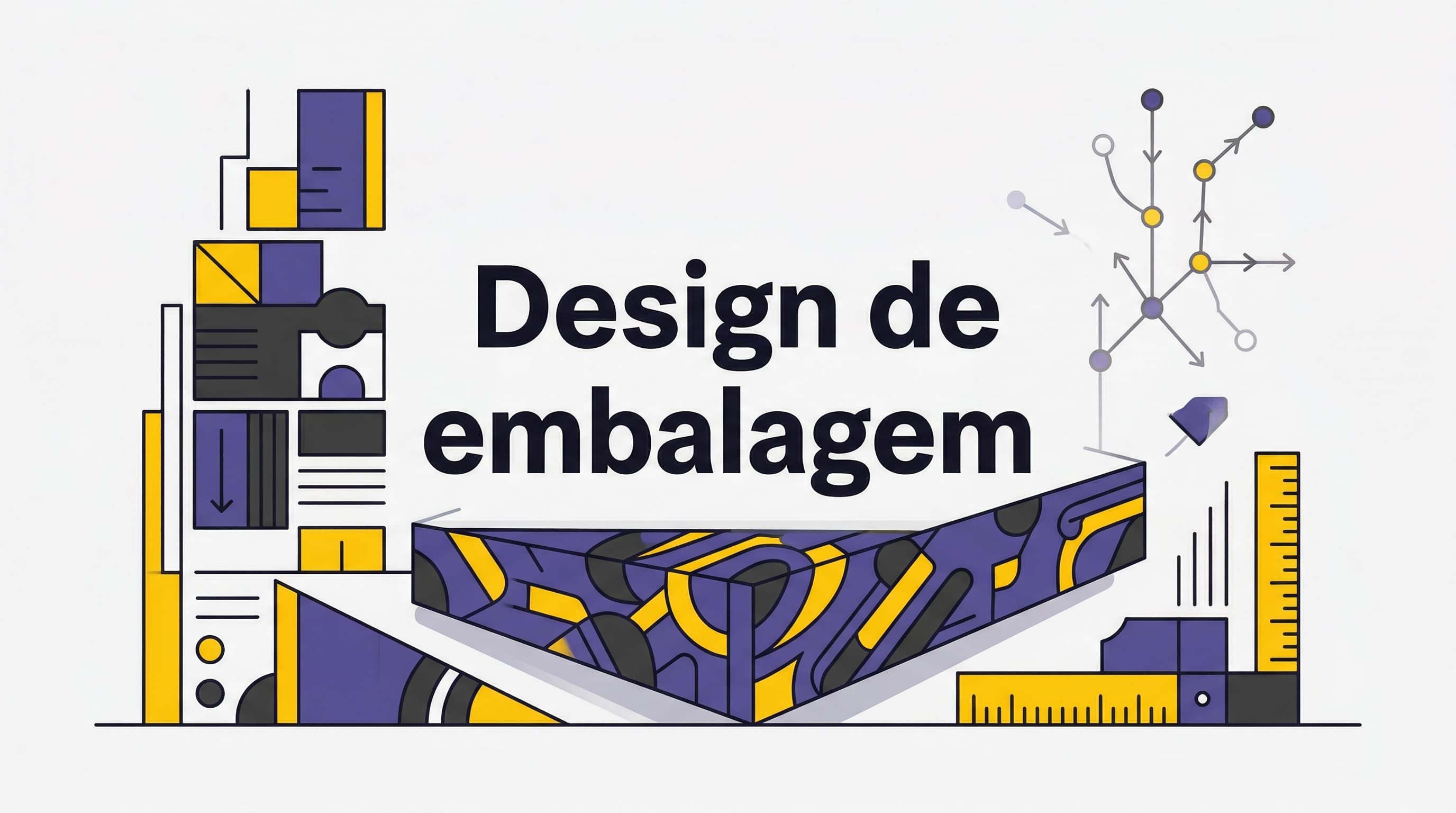
Packaging design is the practice of designing the structure and visual appearance of a container to protect a product and communicate brand values. It includes variations such as product branding, packaging design, creative packaging, product strategy, visual identity, and unboxing experience. According to McKinsey (2024), 72% of consumers state that packaging design directly influences their purchasing decision at the point of sale. At Flow Productions, we believe this element is a fundamental pillar for any brand that wants to stand out in a saturated market.
What is strategic packaging design?
Strategic packaging design is a planned approach that uses visual and functional elements to align product perception with a brand's marketing strategy and conversion goals. This process transforms an ordinary container into a communication channel that reduces friction in the customer's buying journey.
Packaging design is the discipline of creating the structure, visuals, and tactile experience of a product container to communicate brand identity and facilitate usability. It is not just about aesthetics, but about creating an emotional connection that begins the moment the customer holds the object.
The importance of packaging design in the first impression
In 2026, consumer attention is the scarcest asset. According to Nielsen (2025), products with packaging redesigned to improve user experience saw an average increase of 15% in conversion rates. Beyond the cited data, it is important to note that, according to the Smithers (2025) trends study, the global smart packaging market grew 12% in the last year, reinforcing the need for continuous innovation. Studies indicate that investment in optimized packaging design is directly correlated to marketing ROI. When we invest in packaging design, we are ensuring that the brand promise is delivered from the very first visual contact. Companies like Apple, Nestlé, and Coca-Cola use this strategy to reinforce their authority in the global market.
How does packaging design influence consumer behavior?
Packaging design influences consumer behavior by triggering trust and quality cues in the subconscious. Through visual hierarchy and ergonomics, packaging reduces cognitive load, facilitating rapid purchase decisions and increasing the probability of point-of-sale conversion by up to 15%, according to Nielsen data. According to a Gartner (2024) study, 60% of online shoppers are more likely to repeat a purchase if the original packaging provides a memorable and functional unboxing experience.
Functionality and sustainability in packaging design
Today, design must be sustainable and practical. The use of eco-friendly materials, such as those promoted by Tetra Pak or Amcor, has become a competitive differentiator. Furthermore, the integration of branding & visual identity into the packaging ensures that the brand is instantly recognizable, regardless of the sales channel. For brands looking to elevate their presence, specialized consulting is the path to aligning aesthetics with business strategy.
Frequently asked questions
How does packaging strategy affect the perception of value?
A well-designed package conveys professionalism and superior quality. By using premium materials and clear typography, the brand elevates the product's perceived value, allowing for more competitive pricing. Consumers associate care in visual design with confidence in the quality of what is contained inside.
What is the impact of sustainable packaging on the market?
Currently, sustainability is a decisive factor. Packaging that uses less material or is easily recyclable attracts conscious consumers. In 2026, brands that ignore eco-friendly design lose market share to competitors that adopt circular practices, turning environmental responsibility into a strong selling point.
Is packaging design important for the unboxing experience?
Yes, it is fundamental. In e-commerce, packaging is the only physical touchpoint between the brand and the customer. A well-planned unboxing experience increases satisfaction, encourages social media sharing, and strengthens brand loyalty, effectively reducing the costs of acquiring new customers.
How does product branding influence the choice of colors?
Colors must reflect the brand's personality and target audience. Vibrant colors can attract attention on crowded shelves, while neutral tones convey sophistication. It is essential to conduct A/B testing to understand which palette resonates best with your specific market segment.
How long does it take to develop a professional visual design?
The time varies depending on complexity. It involves market research, prototyping, usability testing, and technical adjustments. A strategic process ensures that the packaging is not only visually appealing but also functional, protecting the product and optimizing transport.
Elevate your brand with strategic design
Packaging design is not a cost, but a direct investment in your profitability and brand perception. If you want to transform your product into an icon of desire, our team is ready to help create solutions that unite aesthetics, functionality, and strategy.
Do not leave your customer's experience to chance. Contact Flow Productions today and discover how we can elevate your brand's market impact with design solutions that convert and build loyalty.
Conclusion: The power of packaging
By investing in sustainable packaging and optimizing brand identity, companies ensure their presence in the market. The correct application of product design is the differentiator that separates common brands from global leaders.
About the author