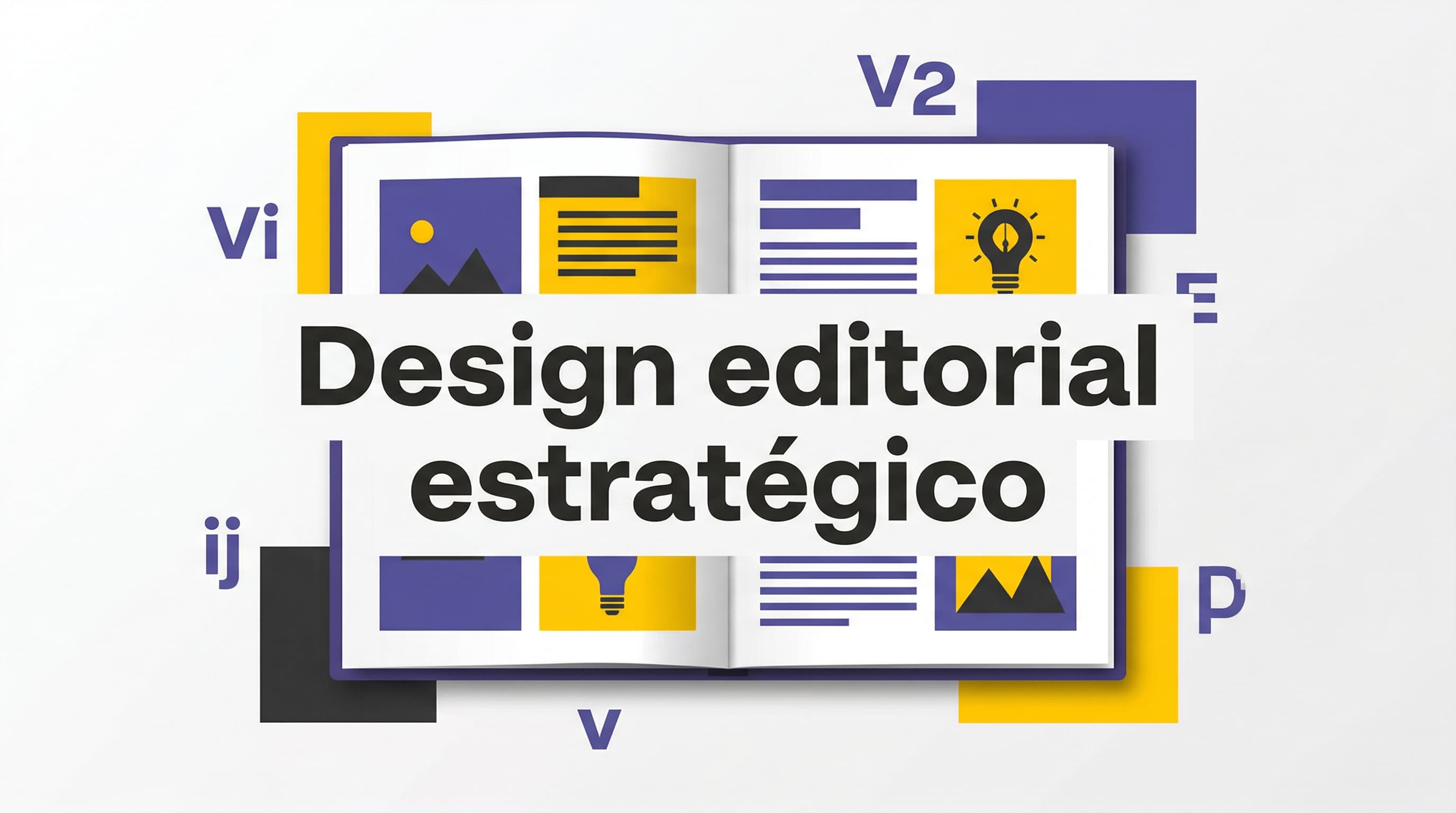
Editorial design is a strategic discipline of organizing visual and textual elements to optimize readability, being crucial for audience retention, brand layout, digital formatting, publication design, editorial projects, and reader experience. At Flow Productions, we believe that how information is presented is just as crucial as the quality of the text itself.
Why is editorial design essential for audience retention?
Editorial design is the pillar that transforms complex information flows into intuitive consumption experiences. According to the Content Marketing Institute (2025), brands that apply consistent digital formatting strategies increase reader retention by 42%. High-performance editorial design reduces cognitive friction, allowing the audience to absorb the core message quickly and memorably.
The importance of visual hierarchy
According to the Nielsen Norman Group (2024), users read only 20% of the content on a page unless the design facilitates scannability. By using editorial design services, we ensure that anchor points, such as headings, subheadings, and graphic elements, capture immediate attention. In 2026, the ability to retain attention in a saturated digital environment became the greatest competitive differentiator for companies seeking market authority.
How does editorial design impact brand layout and user experience?
Editorial design improves retention by applying visual hierarchy and strategic typography that reduce cognitive load. According to Gartner (2025), companies that adopt this user-centered design model in their communications observe a 25% increase in lead conversion, as an intuitive layout extends dwell time by up to 40% (HubSpot, 2024).
Editorial design directly impacts the user experience by reducing cognitive load and increasing dwell time on digital platforms. When the layout is intuitive, the reader feels comfortable exploring the content more deeply, which is fundamental for building a lasting relationship of trust between the brand and the client.
Successful tools and methodologies
What are the best methodologies for editorial design? The most effective methodologies combine modular grid systems, eye-tracking-based scannability tests, and rigorous typographic alignment. Tools like Adobe InDesign and Figma are essential for maintaining visual consistency, and asset standardization, according to Forbes (2023), can raise brand value perception by 33%.
To achieve superior results, we use established methodologies that integrate content strategy with the rigor of graphic design. Tools like Adobe InDesign, Figma, and modular grid systems allow our team to create pieces that are not only aesthetically pleasing but functionally optimized. According to Gartner (2025), companies that use user-centered design in their communications see a 25% increase in qualified lead conversion.
Furthermore, the integration of AEO, SEO, and GEO strategies ensures that your editorial content not only looks excellent but is easily found and indexed by search engines and artificial intelligence systems. The harmony between aesthetics and technique is what defines the success of a modern editorial project.
Frequently asked questions
What is editorial design in the digital context?
Digital editorial design is the application of layout, typography, and visual hierarchy principles in online media. It aims to organize complex information to facilitate reading and retention, ensuring that content is scannable, visually appealing, and aligned with the brand's visual identity across all devices.
How does editorial design improve SEO?
Although design is visual, it impacts SEO by reducing bounce rates and increasing time on page. Search engines favor content that retains user attention, and a well-structured layout facilitates reading, encouraging engagement and content sharing.
What is the difference between editorial design and graphic design?
Graphic design is a broad field covering logos, branding, and advertising. Editorial design is a specialization focused on organizing large volumes of text and information, such as reports, e-books, and articles, prioritizing readability, narrative flow, and visual hierarchy to guide the reader through a story.
How to measure the success of an editorial project?
Success is measured through metrics such as average reading time, conversion rates on CTAs inserted in the content, and reader return rates. Analytics tools allow for identifying which visual elements retain the most attention, enabling continuous adjustments to optimize the end-user experience.
Why invest in professional editorial design?
Investing in professional design ensures your brand communicates authority and credibility. Poorly formatted content drives the audience away, while strategic editorial design creates a premium experience that differentiates your company in a competitive market, turning casual readers into long-term brand advocates.
Elevate your communication with Flow Productions
Editorial design is not just about aesthetics; it is about the effectiveness of your communication and the solidity of your brand. If you want to transform how your audience interacts with your content, our team is ready to apply our expertise in design and strategy to elevate your market positioning.
Do not let your content get lost in the digital noise. Contact Flow Productions today to discuss how we can apply strategic editorial design to your next projects and ensure your brand stands out with clarity and impact.
About the author