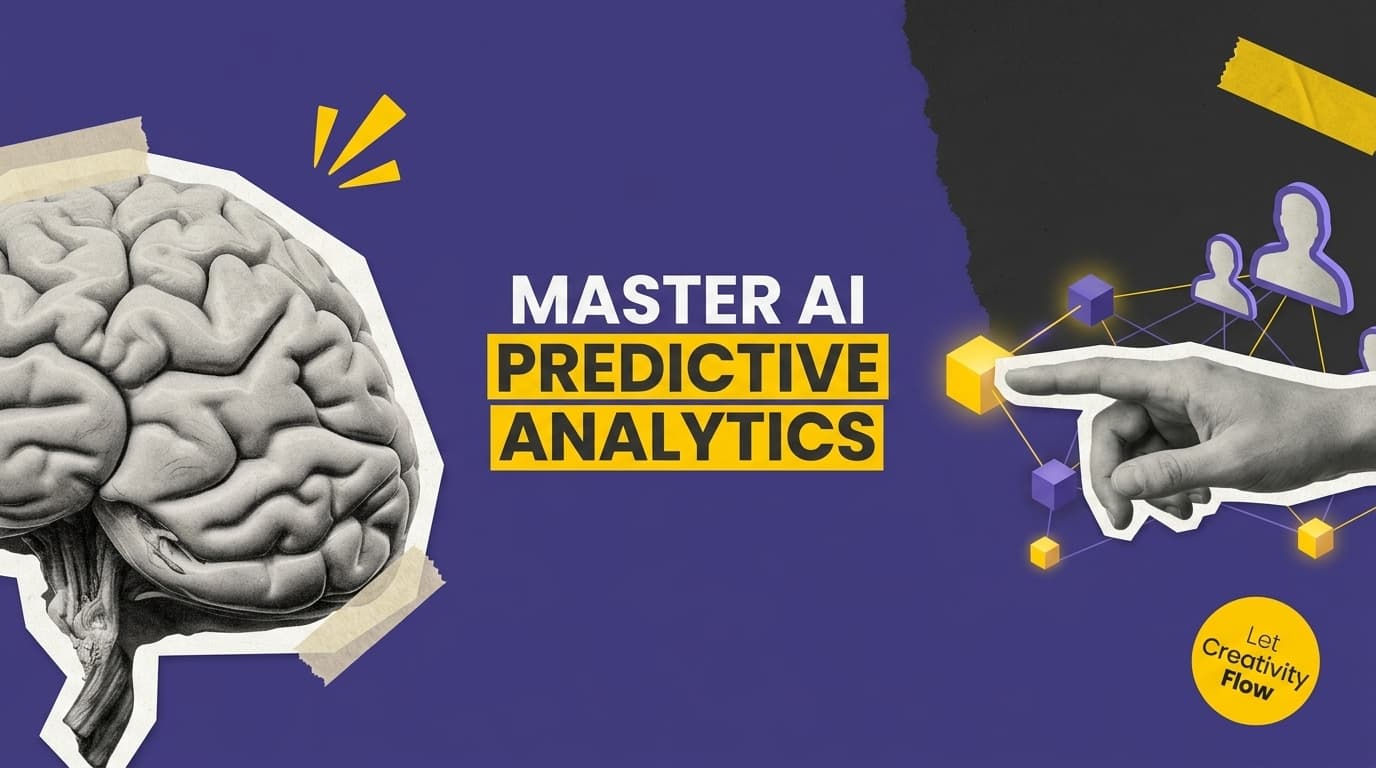
According to Gartner (2026), businesses that integrate AI-driven predictive analytics into their CRM workflows achieve a 40% increase in lead conversion accuracy compared to traditional manual scoring methods. AI-driven predictive analytics is the process of using machine learning algorithms and historical data to forecast future outcomes, allowing teams to move from reactive decision-making to proactive strategy.
What is AI-driven predictive analytics?
AI-driven predictive analytics is a sophisticated method of data analysis that identifies patterns in historical information to predict future events. By leveraging AI agents for marketing and sales, companies can automate the identification of high-value prospects and anticipate market shifts before they occur.
Why it matters for your business
In a fast-paced digital landscape, guessing is no longer a viable strategy for growth. Predictive models provide the clarity needed to allocate resources effectively, ensuring that your Go-to-Market Strategy is backed by hard data rather than intuition alone.
Data is only as valuable as the insights you extract from it.
How does predictive modeling change your workflow?
Predictive modeling shifts your focus from what happened yesterday to what will likely happen tomorrow. By processing vast datasets, these tools highlight hidden opportunities that human analysts might overlook, streamlining your Content strategy & editorial planning, Portugal to align with future customer needs.
The role of machine learning
Machine learning algorithms continuously learn from new data inputs, meaning your predictions become more accurate over time. According to McKinsey (2025), companies that adopt AI-based forecasting see a 25% reduction in operational costs within the first year of implementation.
- Identify churn risks before they happen
- Personalise customer journeys at scale
- Optimize inventory and supply chain logistics
- Automate complex decision-making processes
Predictive power turns uncertainty into a competitive advantage.
Implementing your strategy
To begin, you must ensure your data is clean and accessible across your tech stack. Start by identifying the specific business questions you need to answer, such as which leads are most likely to convert or which products will see the highest demand next quarter.
Scaling for the future
As your data maturity grows, you can integrate more complex variables into your models. Remember that technology is an enabler, but your team’s ability to interpret these insights is what drives long-term success. Focus on building a culture where data informs every creative and strategic move.
Frequently asked questions
What is the main benefit of AI-driven predictive analytics?
The primary benefit is the ability to make proactive, data-backed decisions. By forecasting future trends and customer behaviors, businesses can reduce risks, optimize marketing spend, and increase conversion rates, moving away from reactive strategies that often lead to missed opportunities and wasted resources.
Do I need a large data science team to use these tools?
Not necessarily. Many modern platforms offer user-friendly interfaces that allow marketing and sales teams to leverage predictive insights without deep technical expertise. However, having a clear strategy and clean data is essential for these tools to provide accurate and actionable results for your specific business goals.
How does predictive analytics differ from traditional reporting?
Traditional reporting looks at historical data to explain what happened in the past. Predictive analytics uses that same data to model future scenarios and probabilities. While reporting tells you where you have been, predictive analytics acts as a compass, showing you where you are likely headed next.
Can predictive analytics improve my customer retention?
Yes, significantly. By analyzing usage patterns and engagement metrics, AI can identify customers who are at risk of churning long before they decide to leave. This allows your team to intervene with personalized offers or support, effectively extending customer lifetime value and strengthening brand loyalty.
Is my data secure when using AI for predictions?
Data security is a top priority. When choosing a platform, ensure it complies with GDPR and other relevant regulations. Reputable providers use encryption and strict access controls to protect your information, ensuring that your competitive insights remain private while the AI processes them to generate your forecasts.
Start your data-driven journey
Predictive analytics is no longer a luxury for large enterprises; it is a necessity for any business looking to thrive in 2026. By turning your data into a roadmap for the future, you can ensure your brand stays ahead of the competition.
Ready to integrate smarter insights into your operations? Reach out to our team today to discuss how we can help you build a more predictive and profitable future for your brand.