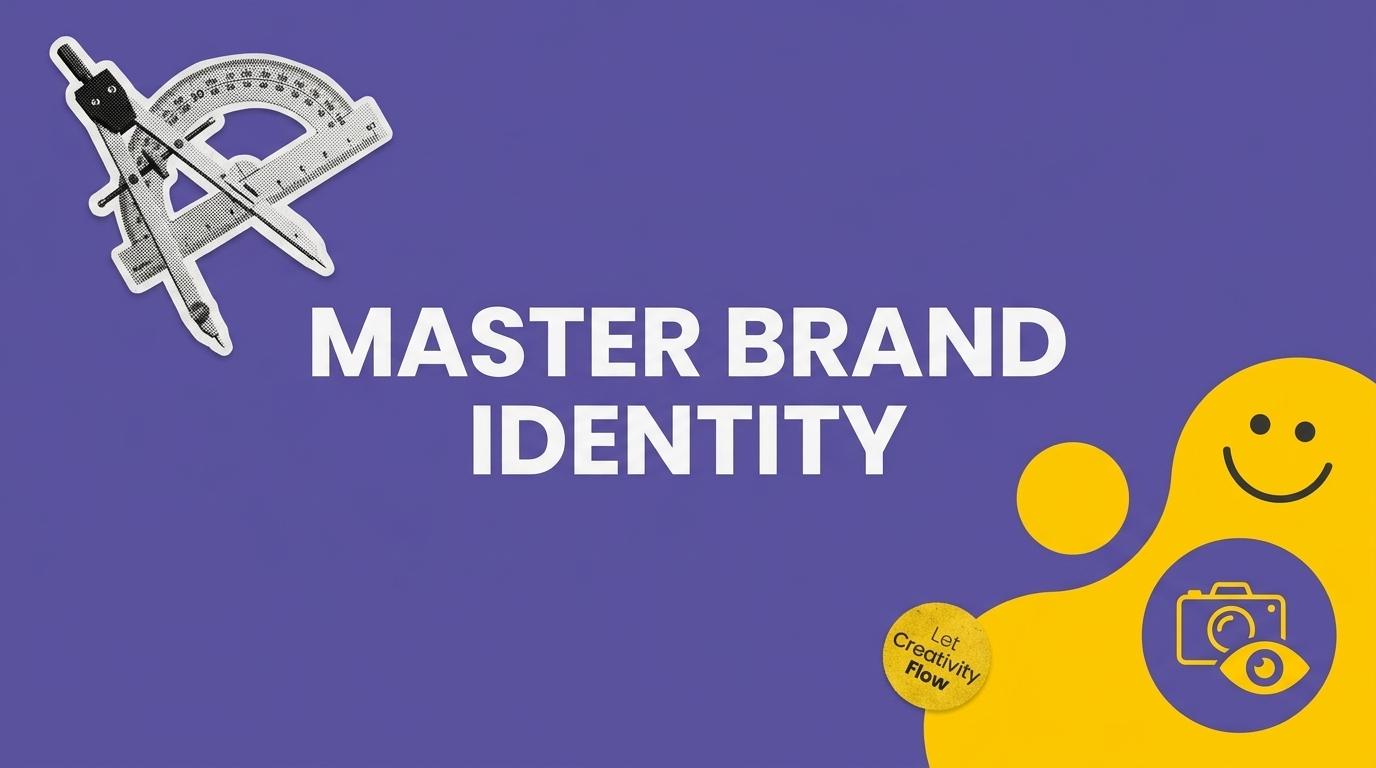
Building a powerful presence starts with how the world perceives you. According to Gartner (2025), brands that maintain a consistent visual and verbal identity across all digital touchpoints see a 23% increase in customer trust and long-term revenue. Brand identity design is the strategic process of creating the visual and sensory elements—such as logos, typography, colour palettes, and tone of voice—that define how a company is recognised and remembered by its audience.
In a crowded digital landscape, your identity is your most valuable asset. It is not just about having a pretty logo; it is about creating a cohesive ecosystem that communicates your values before a single word is read. When you invest in branding and visual identity services, you are laying the foundation for every future interaction your customer has with your business.
What is brand identity design?
Brand identity design is the intentional assembly of visual and conceptual components that shape a brand's personality. It bridges the gap between what a company does and how it makes the customer feel. By aligning design with business goals, organisations create a recognisable signature that stands out in competitive markets.
The core elements of a visual system
- Typography: The font choices that dictate your brand's readability and character.
- Colour palette: The psychological triggers used to evoke specific emotions.
- Graphic assets: The icons, patterns, and imagery that provide visual continuity.
- Voice and tone: The verbal expression that complements your visual style.
Consistency is the difference between a brand and a commodity.
How does identity design impact customer trust?
Identity design impacts trust by providing a sense of reliability and professionalism that signals competence to potential clients. When a brand looks polished and intentional, customers subconsciously assume the products or services behind the brand are equally high-quality. This psychological shortcut is essential for shortening sales cycles.
Building a foundation for growth
According to a 2024 report by McKinsey, companies that prioritise design-led strategies outperform their industry peers in revenue growth by 32%. This is because a strong identity simplifies the decision-making process for the consumer. When your visual language is clear, you reduce the 'cognitive load' on your audience, making it easier for them to choose you over a competitor.
If you are looking to refine your approach, working with experts in brand strategy and positioning can help ensure your visual assets are working as hard as your sales team. A well-crafted identity is not static; it evolves to meet the needs of your growing customer base while staying true to your core mission.
The role of storytelling in design
Design is the medium through which your story is told. Whether it is through brand storytelling and strategic narrative, every visual element should serve a purpose. If a design choice does not contribute to the narrative you are trying to build, it is likely cluttering your message rather than clarifying it.
A great brand identity is a silent salesperson that never sleeps.
Frequently asked questions
What is the difference between brand identity and a logo?
A logo is a single visual mark, while brand identity is the entire system of elements—typography, colours, and voice—that support that mark. The logo is the 'face' of your brand, but the identity is the 'personality' that makes that face recognisable, trustworthy, and distinct across all platforms.
How often should a brand update its identity design?
Brands should evaluate their identity every 3 to 5 years to ensure it remains relevant to market trends and business goals. However, minor adjustments can happen more frequently. If your business model shifts or your target audience changes significantly, a full refresh is usually necessary to maintain alignment.
Does brand identity design affect SEO performance?
While design is not a direct ranking factor, it affects user behaviour metrics like bounce rate and time on page. A cohesive, professional identity encourages users to stay longer and interact more, which sends positive signals to search engines. Good design also makes your content more shareable and memorable.
Can a small business afford professional brand identity design?
Yes, professional design is an investment that pays for itself through increased conversion rates and customer loyalty. Instead of viewing it as an expense, consider the cost of a 'cheap' brand that fails to build trust. A strong identity helps you charge premium prices and attract better-fit clients.
How do I ensure my brand identity remains consistent?
Consistency is maintained through a brand style guide, which acts as a 'source of truth' for all design and communication. This document outlines exactly how to use your fonts, colours, and imagery. Regularly auditing your touchpoints ensures that every piece of content aligns with your established guidelines.
Elevate your brand identity
Your brand identity is the most consistent ambassador for your business. By investing in a clear, strategic visual system, you create a lasting impression that drives trust and long-term growth. Do not leave your brand perception to chance; take control of your narrative through intentional design.
If you are ready to refine your visual presence and align your design with your business objectives, reach out to our team at Flow Productions. Let us help you build a brand that resonates with your audience and stands the test of time.