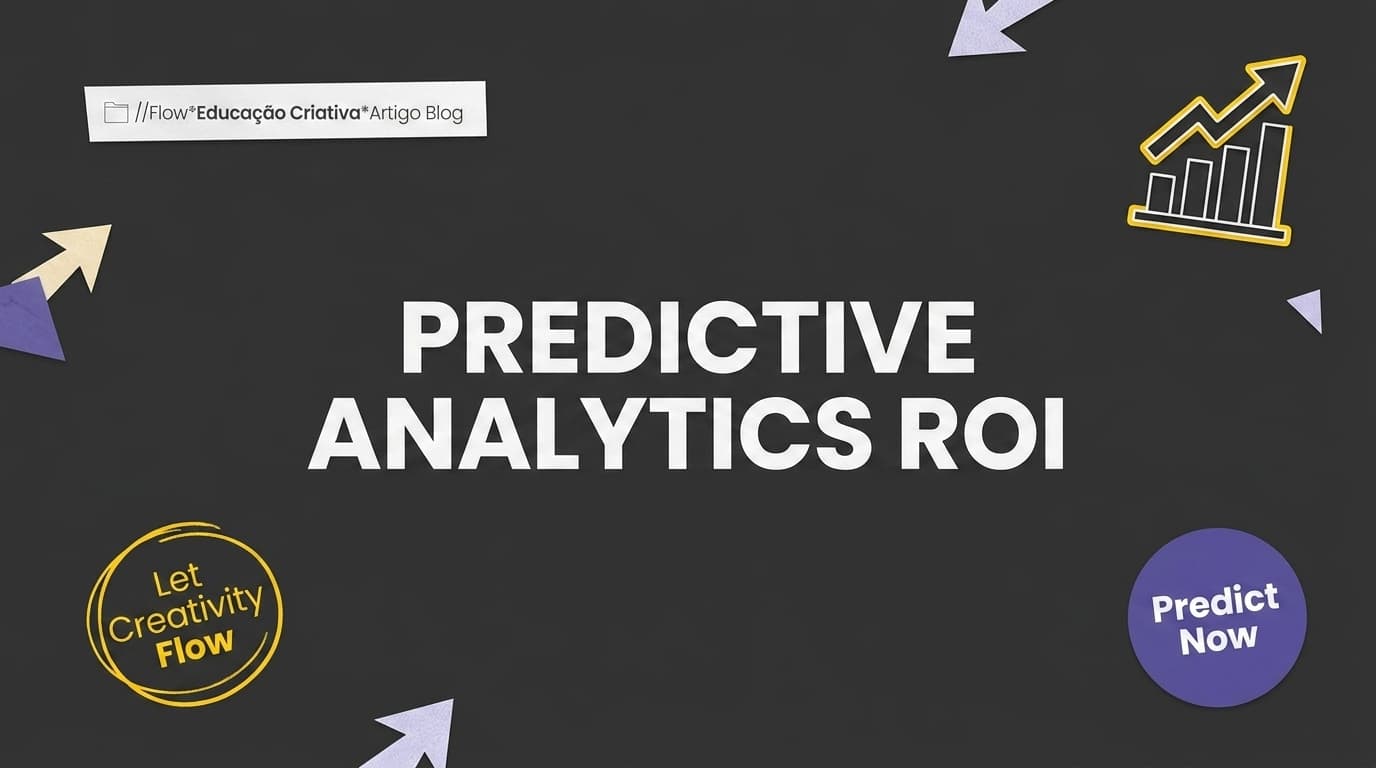
According to Gartner (2026), businesses that integrate predictive analytics into their CRM workflows see a 25% increase in conversion rates compared to those relying on historical data alone. Predictive analytics is the use of data, statistical algorithms, and AI to identify the likelihood of future outcomes based on historical data. By moving from reactive reporting to proactive strategy, your brand can stop guessing and start anticipating what your customers need next.
What is predictive analytics in marketing?
Predictive analytics is a powerful tool that processes vast amounts of customer data to forecast future buying patterns and engagement trends. Instead of looking at what happened last month, it helps you predict what will happen next week, allowing you to refine your go-to-market strategy with precision.
Why data-driven foresight matters
- It identifies high-value leads before they convert.
- It reduces churn by flagging at-risk customers early.
- It optimizes ad spend by targeting only the most relevant segments.
Predictive insights are the difference between shouting into the void and starting a conversation with the right person at the right time.
How does predictive analytics boost ROI?
Predictive analytics boosts ROI by eliminating the guesswork in your marketing budget. When you know exactly which channels and messages resonate with specific personas, you stop wasting resources on broad, ineffective campaigns and focus on high-impact digital advertising creatives that actually drive revenue.
The power of anticipation
According to McKinsey (2025), companies using advanced predictive modeling experience a 15% improvement in marketing efficiency. By leveraging these models, you can automate personalized touchpoints that feel human and relevant. This shift is essential for brands looking to maintain a competitive edge in a crowded digital landscape.
Integrating intelligence into your workflow
To truly benefit from these tools, you need a solid foundation in web design and UX that captures clean, actionable data. Without a clear path to collect and analyze information, even the most advanced AI models will struggle to provide accurate predictions. Start small, focus on one specific customer pain point, and scale your intelligence as your data maturity grows.
Data is only as valuable as the action it inspires.
Frequently asked questions
How does predictive analytics differ from traditional data reporting?
Traditional reporting looks backward to tell you what happened in the past, while predictive analytics looks forward to tell you what is likely to happen next. It uses historical patterns to forecast future behaviors, allowing teams to make proactive decisions rather than simply reacting to previous performance metrics.
Do I need a large team to start using predictive analytics?
No, you do not need a massive team to begin. Modern tools allow businesses of all sizes to integrate predictive insights into their workflows. By focusing on specific goals, such as reducing churn or increasing email open rates, you can start small and scale your efforts as you see results.
Can predictive analytics help with customer retention?
Absolutely. Predictive models can identify patterns that precede customer churn, such as a decrease in login frequency or lower engagement with your content. By catching these signals early, you can trigger automated, personalized interventions that re-engage the customer before they decide to leave your brand entirely.
What kind of data do I need for predictive modeling?
To get started, you need clean, organized data from your CRM, website analytics, and social media platforms. The quality of your predictions depends on the quality of your input. Ensuring your data is consistent and tagged correctly is the most important step before running any predictive algorithms.
Is predictive analytics only for e-commerce brands?
Not at all. While e-commerce is a common use case, any business with a digital footprint can benefit. B2B companies use it to score leads, service providers use it to anticipate client needs, and content creators use it to understand which topics will resonate most with their specific audience segments.
Start your data-driven journey
Predictive analytics is no longer a luxury reserved for tech giants; it is a fundamental requirement for any brand wanting to grow in 2026. By understanding future trends today, you position your business to lead the market rather than follow it.
Ready to turn your data into a competitive advantage? Contact our team to discuss how we can help you integrate smarter insights into your marketing strategy.