Sensory branding is a marketing approach that engages multiple senses to create memorable and emotional connections with customers. According to NielsenIQ (2025), brands that stimulate more than one sense see a 30% increase in customer loyalty. This article explores how sensory branding works and why it matters for your brand's success.
What is sensory branding?
Sensory branding is the strategic use of sensory stimuli—such as sight, sound, smell, touch, and taste—to influence customer perceptions and behavior. It goes beyond traditional visual branding to create immersive brand experiences.
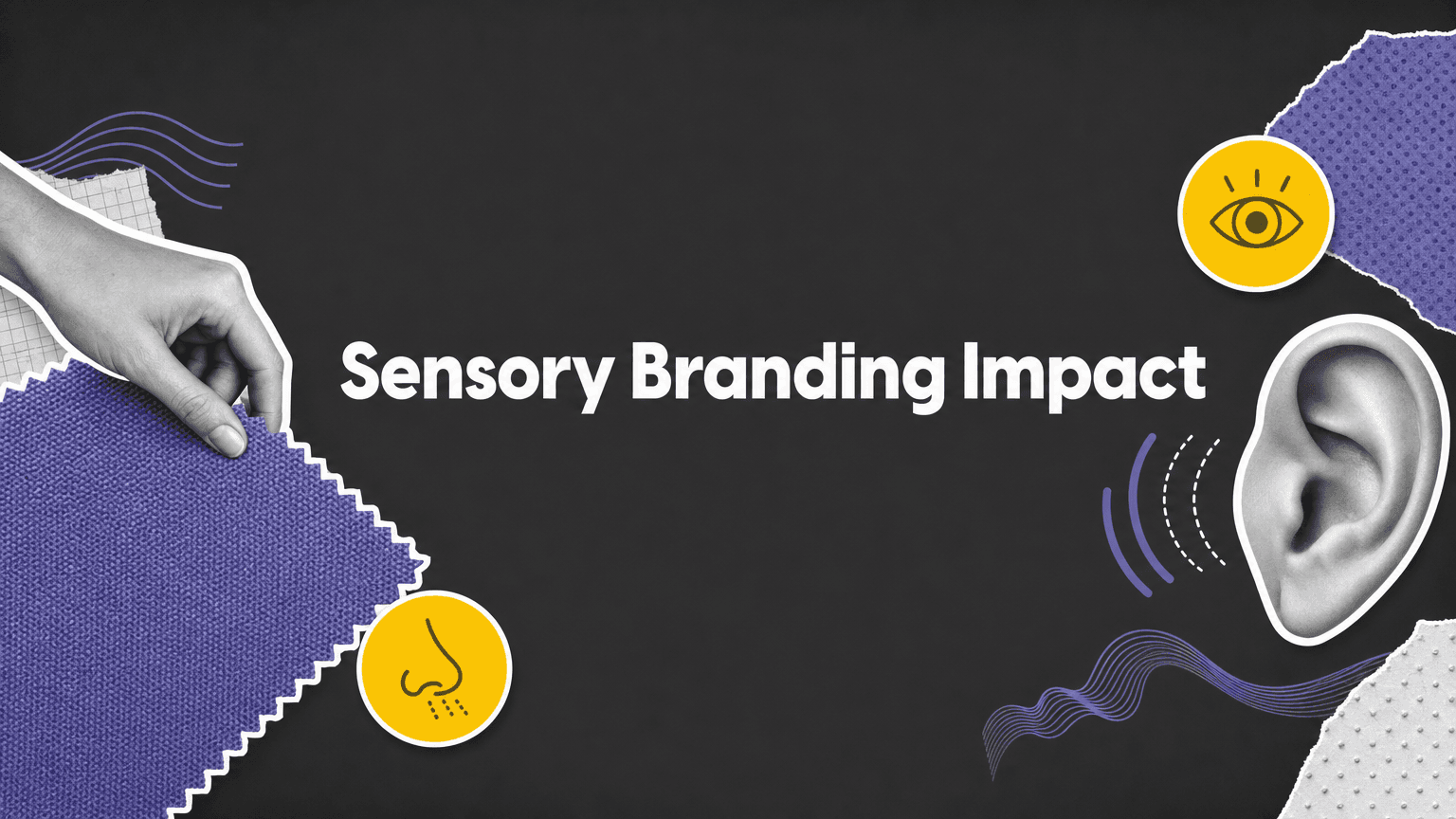
Key senses used in sensory branding
- Sight: logos, colors, packaging design
- Sound: jingles, brand music, sonic logos
- Smell: signature scents in stores or products
- Touch: textures of packaging or product materials
- Taste: flavors associated with food and beverage brands
Sensory branding creates emotional bonds that traditional branding alone can’t achieve.
How does sensory branding improve customer experience?
Sensory branding enhances customer experience by making interactions with a brand more engaging and memorable. It taps into subconscious triggers that influence decision-making and brand recall.
Benefits of sensory branding in customer experience
- Increases brand recognition and recall
- Enhances emotional connection and trust
- Differentiates brands in competitive markets
- Encourages repeat purchases and loyalty
Brands that engage multiple senses create richer, more immersive experiences that customers love.
What are some successful examples of sensory branding?
Many leading brands use sensory branding to stand out and connect with customers on a deeper level.
Notable examples
- Starbucks: signature coffee aroma and store music
- Apple: sleek product design and tactile packaging
- Coca-Cola: iconic sound of bottle opening and unique taste
- Abercrombie & Fitch: distinctive store scent
- McDonald’s: consistent taste and recognizable jingles
According to Forbes (2024), 75% of consumers are more likely to buy from brands that provide sensory experiences.
How can brands implement sensory branding effectively?
Implementing sensory branding requires a thoughtful approach aligned with brand values and customer expectations.
Steps to implement sensory branding
- Identify which senses align best with your brand personality
- Develop sensory elements that are consistent and authentic
- Test sensory stimuli with target audiences
- Integrate sensory branding across touchpoints
- Measure impact on customer engagement and loyalty
Sensory branding is not about gimmicks; it’s about meaningful, consistent experiences.
Frequently asked questions
What is the difference between sensory branding and traditional branding?
Sensory branding engages multiple senses to create immersive experiences, while traditional branding mainly focuses on visual identity like logos and colors.
Can sensory branding work for online businesses?
Yes, through sound design, visual elements, and interactive digital experiences, online brands can also leverage sensory branding.
How much does sensory branding impact sales?
According to NielsenIQ (2025), brands using sensory branding see up to a 30% increase in customer loyalty, which often translates to higher sales.
Is sensory branding suitable for all industries?
While more common in retail and hospitality, sensory branding can be adapted creatively for many industries to enhance customer engagement.
How do I measure the success of sensory branding?
Success can be measured through customer feedback, brand recall studies, loyalty metrics, and sales performance.
Enhance your brand with sensory branding
Sensory branding offers a powerful way to deepen customer connections by engaging their senses and emotions. As NielsenIQ (2025) highlights, brands that embrace this approach enjoy significantly higher loyalty and stronger market differentiation.
At Flow Productions, we understand how to craft sensory brand experiences that resonate and last. Whether you want to explore signature scents, sound branding, or tactile packaging, our team can help you bring your brand to life in new dimensions.
Discover how sensory branding can elevate your brand by connecting with us today and exploring our branding & visual identity services in Portugal. For digital touchpoints, our UX/UI & digital product design in Portugal ensures your sensory elements translate online. To tell your brand story with impact, check our brand storytelling & strategic narrative expertise.
Sensory branding is more than a trend—it's the future of meaningful customer experience.